Smarter Sustainability
That Just Makes Sense
Driving smarter sustainable change.
When it comes to the climate change, businesses and organisations tend to fall into one of three camps. Those that want to save the planet as it is just the right thing to do, those that just need to to meet their corporate environmental responsibilities and those that are just too busy taking care of business.
We however, believe there are solutions which can meet broader society objectives for the environment while improving your organisations bottom line. Smarter solutions that just make sense.
DeCarbon.NZ is a collaboration between a group of passionate people, businesses and organisations that want to take the mystery out of decarbonisation. We provide accessible advice and smart solutions to make sustainable changes to your business or organisation; that just make sense.
Smarter Solutions
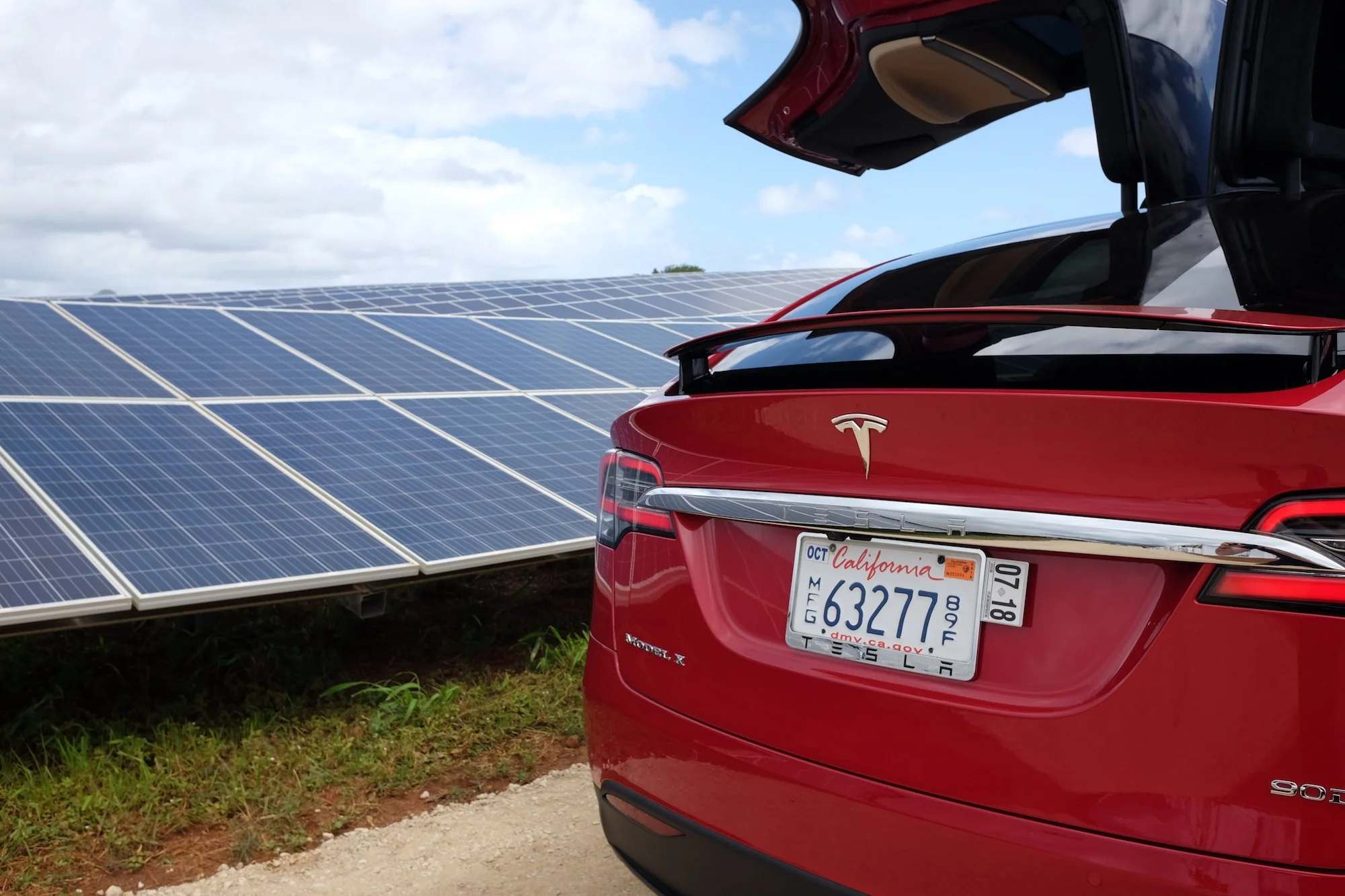
Smarter Energy Solutions
The benefits of decarbonising for your business or organisation are:
Smarter Cost savings – If you need less energy to run your business, it will cost you less to run your business
Smarter Future-proofing –Reducing energy requirements now will help mitigate future cost increases
Smarter for your brand – Pollution is bad for your brand or business reputation. Stakeholders and customers expect businesses to be proactive in reducing their carbon footprint
Smarter for business – More organisations are putting this front and centre of how they operate, who they partner with and who they do business with. Many tenders are now asking for details on how a business approaches sustainability and emission reduction
Smarter Staff retention – People are becoming more conscious of who they work for. They want to know your company’s approach to sustainability and how it’s managing its carbon footprint
Restoring Land and Biodiversity
Restoring habitats can aid climate change mitigation by removing carbon dioxide from the atmosphere and storing the carbon, and means the land isn’t used for activities that generate higher emissions.
Conserving intact ecosystems, such as wetlands and mangroves, for example, can also lessen the impact of extreme weather events which are projected to increase in frequency under climate change scenarios, such as flooding and storm surges.
Embracing the Circular Economy
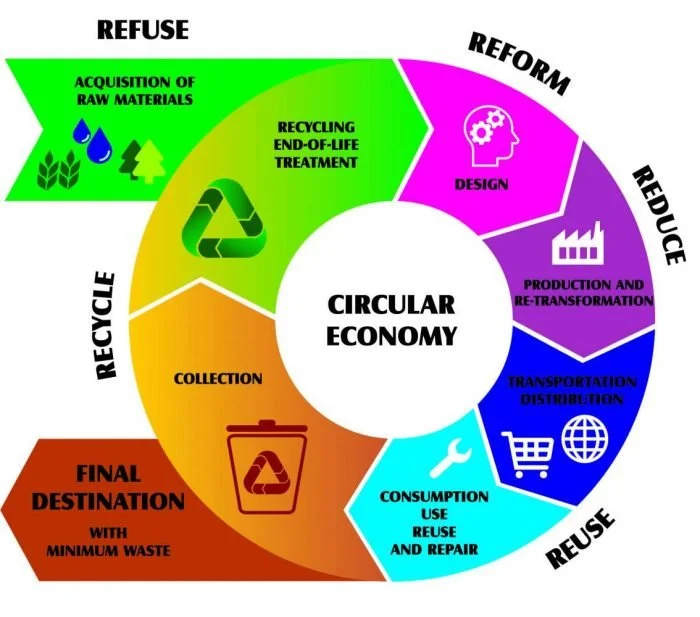
The circular economy. The biggest business transformation since the Industrial Revolution. The natural successor to our current model of ‘take, make and waste’.
A circular economy is about two distinct ‘life cycles’. Materials that can be safely composted or otherwise returned to the environment. And those that cannot, including materials like plastics, petrochemical-based products and chemicals.
Read ‘Going Full Circle’, The Sustainable Business Network’s new state of the nation report which reveals how Aotearoa New Zealand is tracking towards a circular economy. It includes six key action areas to help businesses contribute to the transition and thrive in a new economy.